Creole warmth, volcanic mountains, and the most polished resort island in the Indian Ocean.
Mauritius is where many of our guests choose to end. After the dust of safari and the salt of the sea, the island offers something quietly different — a layered Creole culture, dramatic volcanic interiors, championship golf, and a roster of resorts that genuinely rival the Mediterranean and the Caribbean.
Pair Kenya or Tanzania with Mauritius for a complete African journey: wildlife, culture, and a final week of considered, polished, deeply restful indulgence. The flights are easy, the resorts are world-class, and the island is small enough to explore in a few days.
Our most-booked combination is six nights — three on the west coast for sunsets, three on the east for swimming and serenity. Add a day in the Black River Gorges, a Creole table d'hôte in the south, and a catamaran sail to Île aux Cerfs, and Mauritius becomes far more than a beach.
Flic-en-Flac and Tamarin. West-facing for sunsets, with calmer seas, dolphin pods at dawn, and the Constance and Sugar Beach properties.
Grand Baie. The island's social hub — boutique shopping, beach restaurants, and easy access to Pereybère and Cap Malheureux for swimming.
Belle Mare and Trou d'Eau Douce. Reef-protected lagoons, the Constance Belle Mare and One&Only Le Saint Géran — the calmer, quieter side.
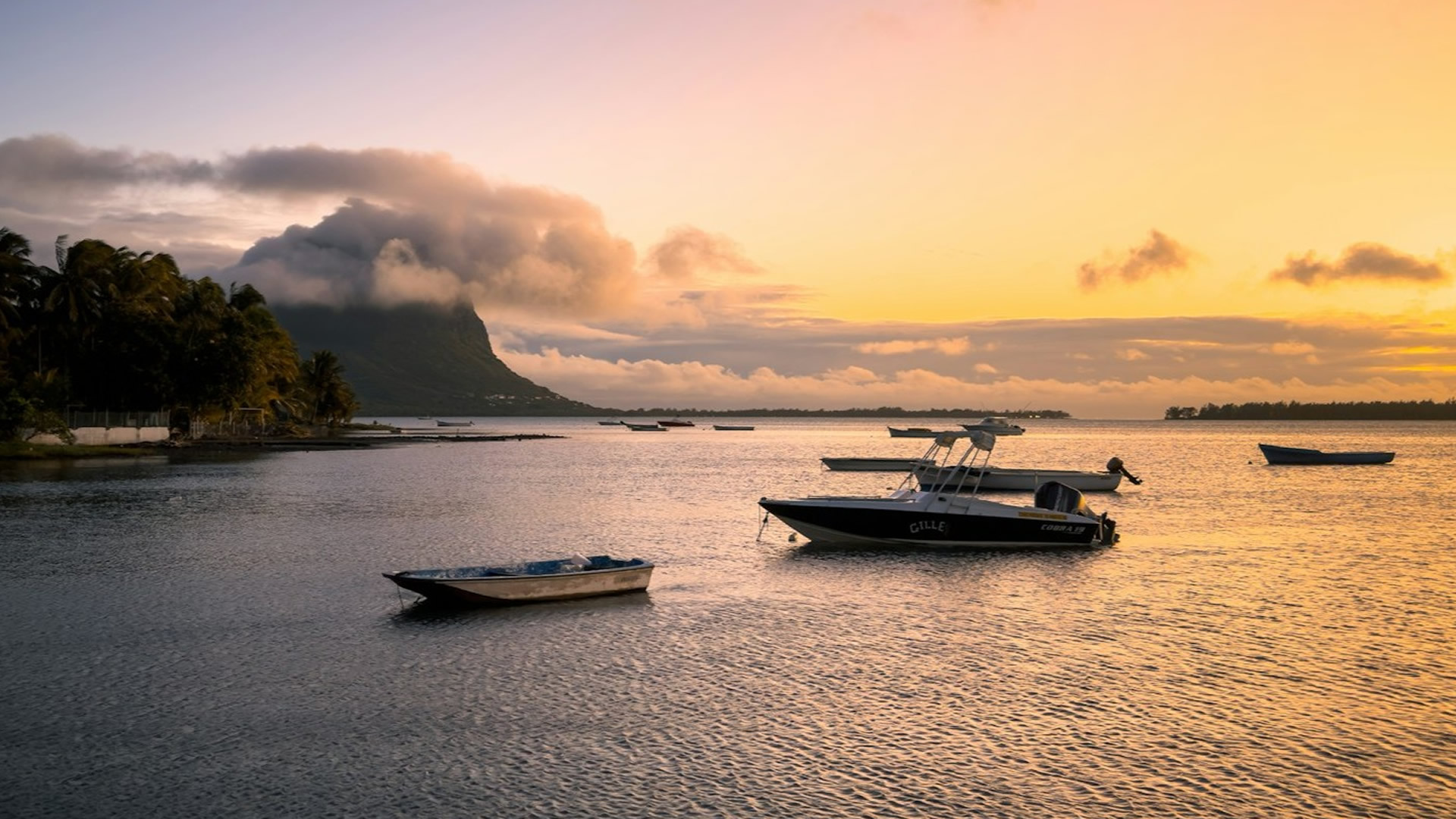
The southwest peninsula. Dramatic volcanic mountain rising from the lagoon — a UNESCO site, and home to LUX* Le Morne and Paradis Beachcomber.
Souillac and the wild coast. Untouched, less developed — for guests who want the Mauritian interior, the Creole villages, and the dramatic black-rock coastline.
Black River Gorges. Dramatic volcanic peaks, hiking trails, the Chamarel coloured earths, and rum distilleries — a full day of inland Mauritius.
Constance, One&Only, LUX*, Royal Palm, Beachcomber. Mauritius hosts more globally recognised five-star brands than any other Indian Ocean island.
Visa-free entry, English and French spoken everywhere, a stable economy, and a long-established tourism infrastructure. Mauritius is the easiest island in the region.
Three of the Indian Ocean's best courses — Anahita, Belle Mare, and Le Touessrok — designed by Bernhard Langer and Ernie Els.
A genuinely distinctive food culture — French technique, Indian spice, Chinese influence, African foundations. The table d'hôte tradition is unmissable.
Black River Gorges, the Chamarel coloured earths, the Trou aux Cerfs crater. Mauritius is far more than its beaches — its interior is dramatic.
Direct flights from Nairobi and Johannesburg, an hour ahead of East Africa, and the polish to round off any African journey gracefully.
The southern winter — cooler, drier, with excellent visibility for diving and the lowest humidity. Ideal for active travellers.
Warming temperatures, excellent diving conditions, and the start of the resort high season. Brilliant skies, calm seas.
Hot, humid, occasionally cyclonic — but rain often comes in short tropical bursts. Lush landscapes, lower rates.
One of the most pleasant months — warm seas, calmer winds, and rates softening before the high season.
The Masai Mara, then a final week on Mauritius' east coast — the most graceful of safari finales, designed for unhurried travellers.
Seven nights split between west coast sunsets and east coast lagoons — the perfect honeymoon, with private dinners, dolphin sails, and spa rituals.
Three coasts, two resorts, and a full day in the Black River Gorges — Mauritius treated as a destination in its own right, not as a postscript.
The Serengeti, the Crater, and a final indulgent week on Mauritius — wildlife and water on the highest possible scale.
Share a few considered details, and your Safari Advisor will be in touch within 24 hours.